Michelle Li

21. First chop & No. 1

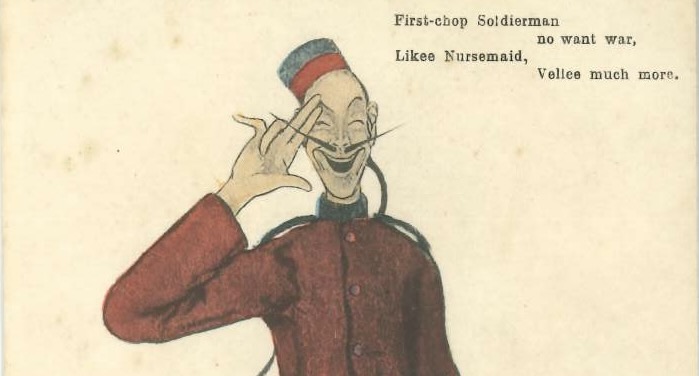
When a foreign word takes root in new soil, the life of the word takes its course and continues to evolve in the new environment. The word chop is a good example. Etymologically related to Hindi and Malay, chop as used in Chinese Pidgin English not only shows traces of its sources but also expands …

21. First chop & No. 1 Read More »

20. Chop

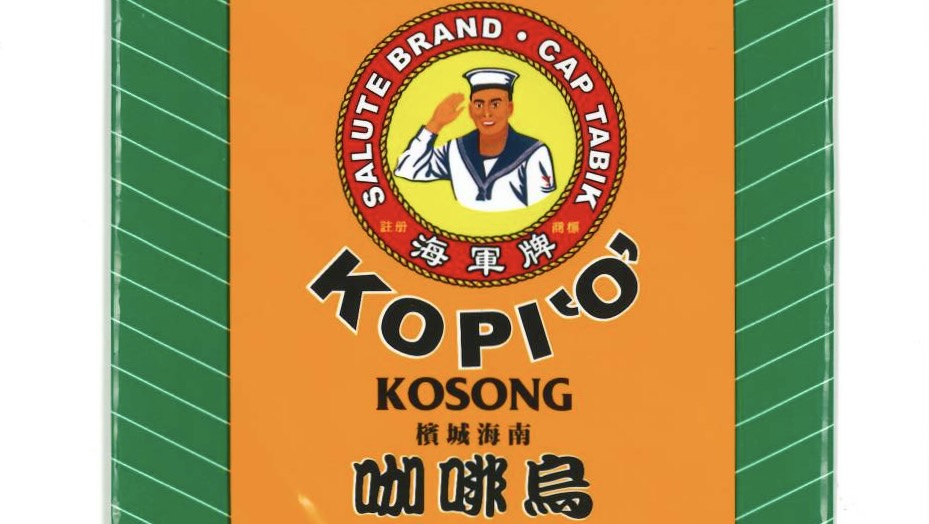
  Kopi is a popular beverage in Singapore and Malaysia. On menus of restaurants, you will find that it can be mixed with other ingredients like milk, sugar, teh ‘tea’, and peng ‘ice’ in different ways. One way to drink kopi is shown in the featured coffee sachet above – “Kopi-O” Kosong. Kopi is the Malay word …

20. Chop Read More »

19. Tael, mace, candareen

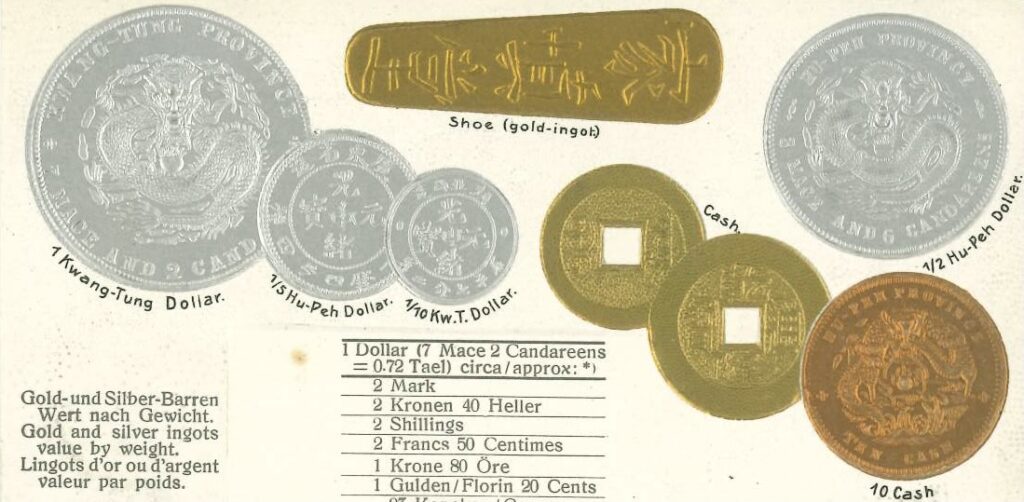
Before taking a vacation to explore a different culture, one thing we do is check the exchange rates between the local and foreign currencies. Today, it takes seconds to know the best rates with an application or on the internet. But do you know how this information was disseminated one hundred years ago? One way …

19. Tael, mace, candareen Read More »

18. Shroff

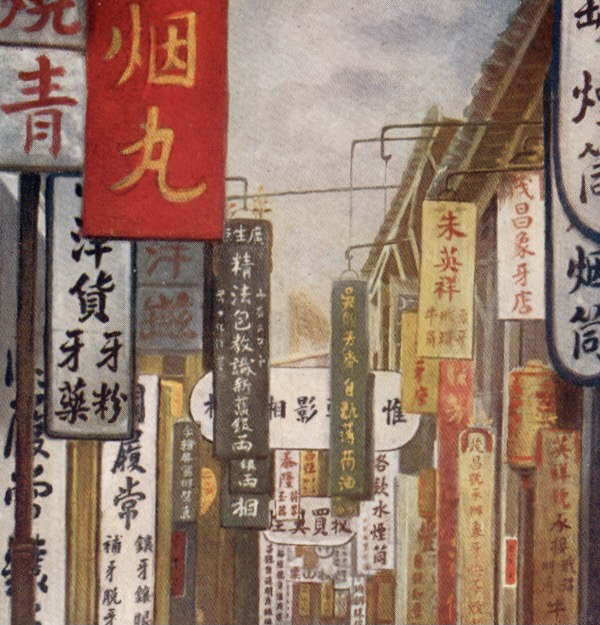
Before the First Opium War (1839–1842), Westerners’ activities were confined to provincial city of Guangdong province–Canton (now Guangzhou). As described in William Hunter’s book The ‘Fan Kwae’ at Canton,the trading houses and dwellings of the Western traders usually called the “Thirteen Factories”, were located at southwestern Canton, along the Pearl River. Like today, one of …

18. Shroff Read More »

17. Coolie

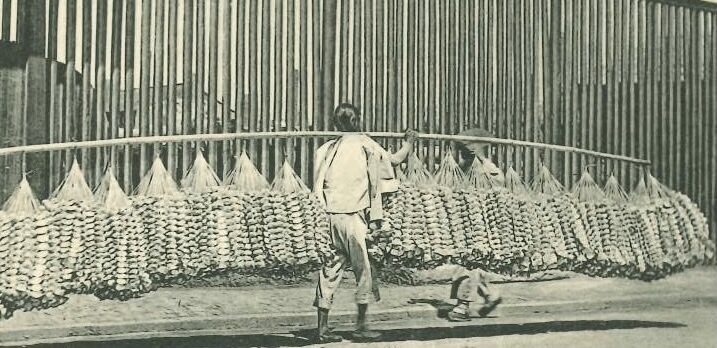
Titled “A coolie of Hongkong”, the featured postcard portrays a rather unusual representation of coolies – unhassled and calm. On the back of the postcard, there is a short message: “This is a common sight here – everything is carried by coolies they put the pole over their shoulders & a basket on each end. …

17. Coolie Read More »

16. Boy

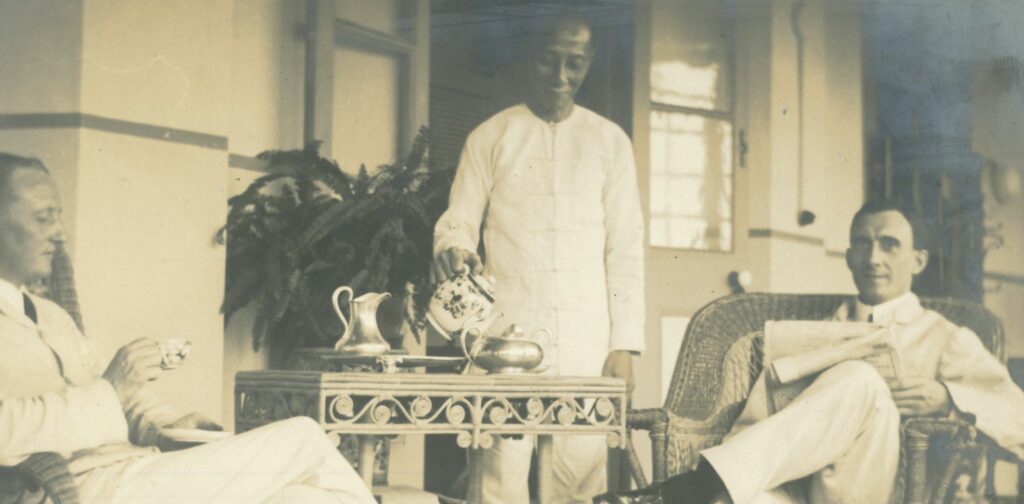
If a caption is needed for the featured image above, it would be: “Boy, go catchee two piecey tea.”­­ Where is the “boy”? It is the man standing in the middle of the photograph. Although his appearance suggests a rather mature age, he was designated the “boy” back in the 19th and 20th centuries. Such …

16. Boy Read More »

15. Amah

Female domestic workers occupy an important role in the family. During the rule of the East India Company and the British government, the female servants who cared for children in European families in India were called ayahs, i.e., nursemaids.  The Hobson-Jobson dictionary of Anglo-Indian words suggests that ayah is derived from the Portuguese aia ‘a …

15. Amah Read More »

14. Memsahibs and servants

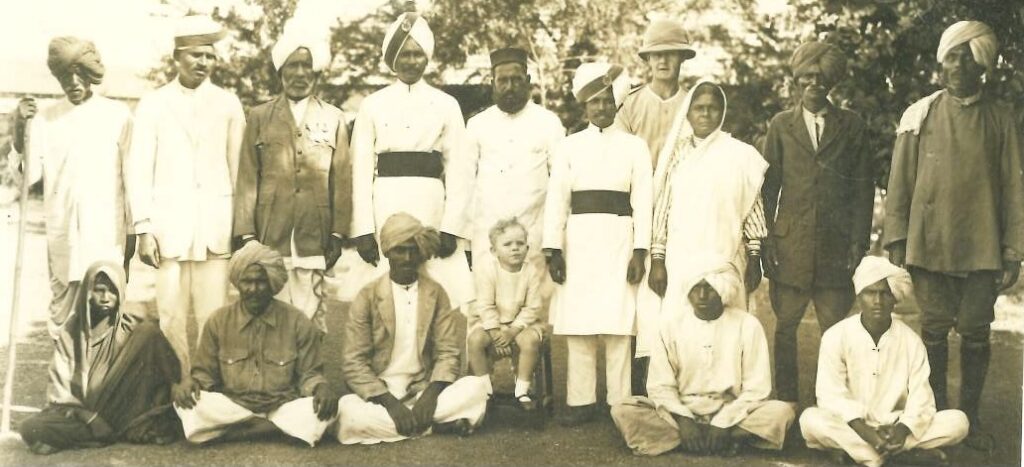
The featured photography shows two Europeans and a group of South Asians. At the back of the photograph is: “Frank Arthur & servants. 3 years old!” So, this short phrase tells us the relationship between the European woman and the boy and the South Asians. Nowadays, it is unusual to have so many servants at …

14. Memsahibs and servants Read More »

13. Joss

In the last post (12. Chin-chin joss), the object of chin-chin ‘worship’ can be a joss, that is, in Chinese tradition a god, goddess, or deity.The word is considered to be connected with the Portuguese word deus,meaning ‘God’. In Chinese Pidgin English, joss can form new words denoting Chinese and Western religious concepts and activities, …

13. Joss Read More »